
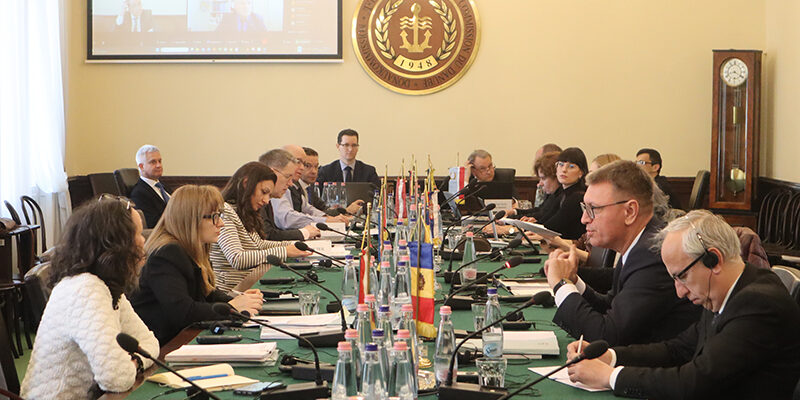
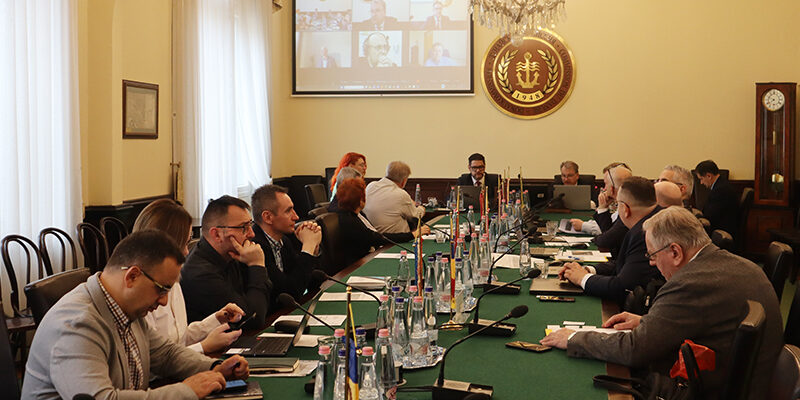
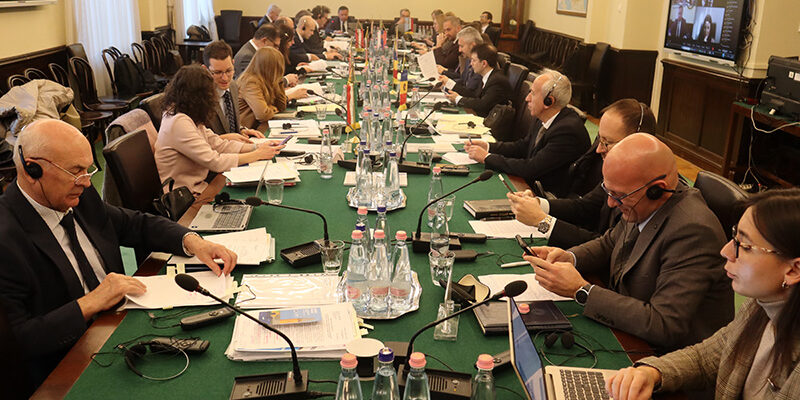
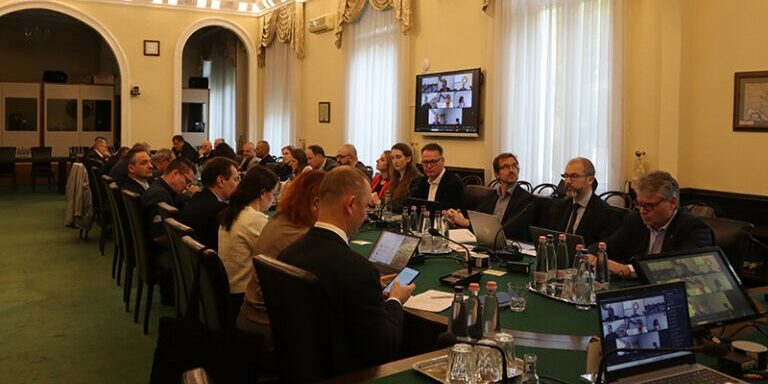
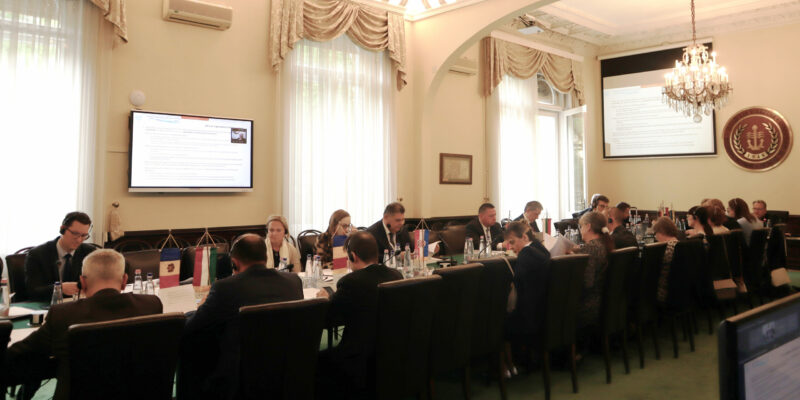
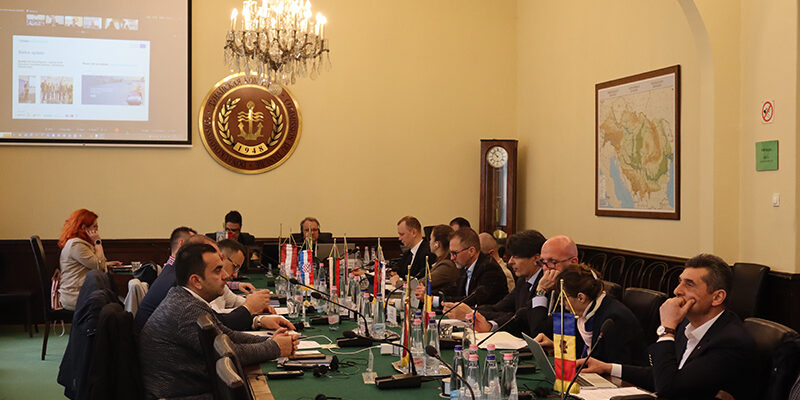

The 60th Anniversary of signature of the Convention regarding the Regime of Navigation on the Danube
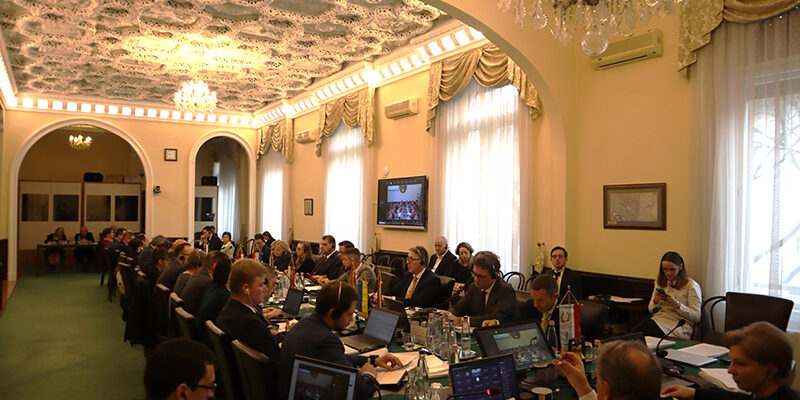
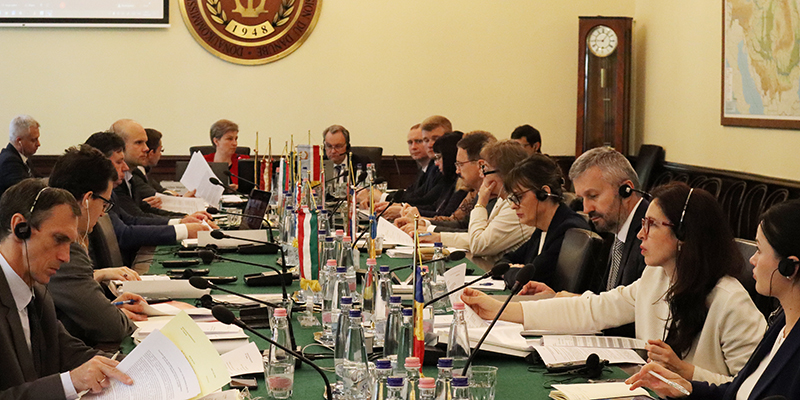
(extract from the address by President of the Danube Commission, Ambassador Igor Savolsky on the 71th session of the Danube Commission)
On 18 August 2008 it was sixty years since signature of the Convention regarding the regime of navigation on the Danube. Recent decades, upward the hard times after the Second World War, confirmed Convention sustainability, Danube Commission demand.
Major efforts were made for free navigation on the Danube in line with the interests and sovereign rights of the participating states, as well as for the strengthening of economical and cultural relations among themselves and with the other countries.
Historically, member-states of the Convention have collaborated actively within the Danube Commission established on the basis of the Convention.
Commission adequately executed assigned duties, met economical and political challenges took place in the Danube basin. Thus, in hard times in a period of sanctions applied against Yugoslavia, caused formidable difficulties for the international navigation on the Danube, the Danube Commission played an important role in negotiation of difficulties.
During these years major economical and geopolitical changes have taken place. However principles and provisions of the Belgrade convention, signed sixty years ago, didn't sink in the scale, whereas the Convention by itself, updated by the Supplementary protocol from 1998, remained sustainable base of the Danube cooperation, regulatory framework for free navigation on the Danube.
Largely such sustainability is accounted for the fact that the Convention is based on the principles and provisions of the international river law, formed on the basis of international practice, which regulate navigation on the international rivers in Europe - Danube, Rhine, Schelde, Moselle. The question is the principle of free navigation, the right of all riparian states to access to the sea, equal right to take part in determination the regime of navigation and in the work of international body, established for the navigation control.
The forecited guiding principles and provisions are the platform for the Danube Commission activity, which in recent decades contributed essentially to the extension and deepening of the Danube cooperation. Today member-states of the Danube Commission and other European states associate it with their expectations about future development of the international navigation on the Danube and Pan-European inland waterways system. In particular, this is evidenced by the planning increase in the sates membership in the Commission. At the same time it is reasonable to expect that new contracting parties of the revised Convention will promote economy of the Danube navigation, by involving its industrial and transport potential.
The forthcoming revision of the Convention undoubtedly will become a new important step in its history. I would like to emphasize herewith that revision will not amount to the withdrawal of principal provisions of the Convention. In the meantime the Convention will be modernized; in particular, additional functions of the Danube Commission, which actually are mostly performed by it in practice, will be settled.
Among new powers of the Commission, the right to adopt binding decisions should be mentioned. According to expectation, this innovation will allow the dialog between the Danube Commission and other international organizations responsible for the navigation control on inland waterways to be introduced on the higher level. In the contemporary context this is particularly important while harmonization of navigation rules in all sections of the European inland waterways system is under the ongoing process. The Danube Commission takes part and should participate more efficiently in such an activity, should receive the most progressive ideas, created by the other international bodies - UN Economical Commission for Europe, European Union, Central commission for the navigation on Rhine. In this connection, taking into consideration the Danube specificity, the Danube Commission should support the implementation of such rules, remaining leader among the other competent authorities on the Danube navigation aspects. It demands a feedback, interaction between relevant recognized international bodies and the Danube Commission. New rights of the Danube Commission should promote the development of such interaction.
For the further future we consider our Commission as an important element of unified system with total mileage of 10250 km - vast river route of the European Network of Waterways, which, after the opening of the Russian inland waterways, covers the whole Europe: the Danube, Rhine-Main-Danube channel, united abyssal system of the Ciscaucasian Russia, as well as riparian routes on the North and the Baltic seas. It includes 12 states (additionally 4 states along the sea-coast), about 50 river and sea ports.
Our present work on projects of the Recommendations on water policy on the Danube already constitutes an essential contribution, particularly to this major project.
In summary it is possible to state that coming into "the middle age", the Convention continues to have effect, whereas organization, established on its basis, functions, is opened for the international cooperation, is capable of being renewed and has far-reaching importance.


